About
La Chaleur Humaine
Nothing is ever truly finished. Nothing is ever truly without a life left to live.
Not as an artistic statement, but as a way of seeing that asks us to look long enough for the world to reveal what it still holds.
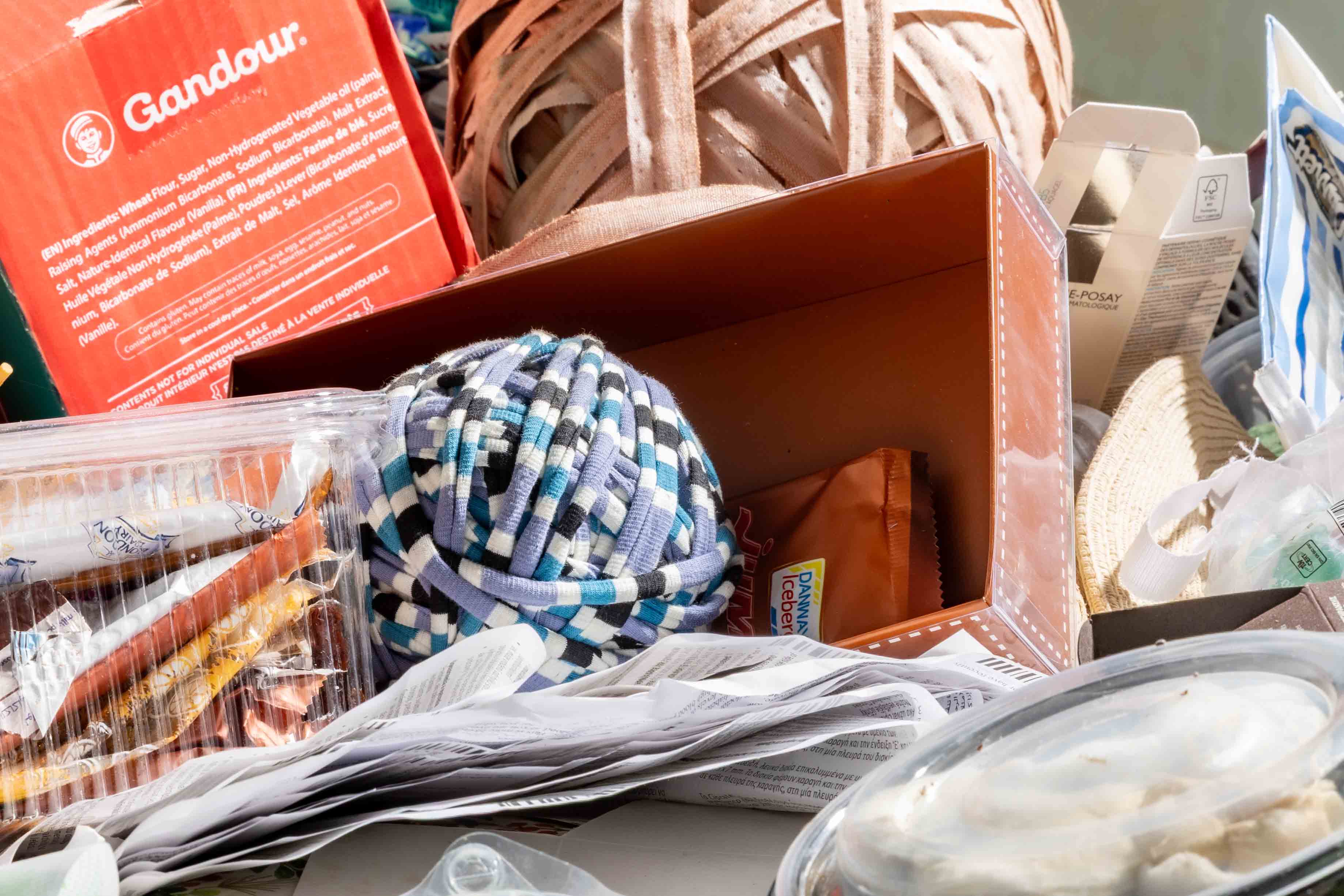
It began with jars and shelves, with transparent containers sorted by colour, texture, and a private logic that needed no explanation.Things kept because they were already going somewhere, even before anyone knew where.
A name chosen because it was the only honest way to describe what happens when you pick something up, hold it, and decide it matters. There is something deeply human in refusing to let a thing beforgotten.
And it extends beyond the material. Because if nothing discarded is beyond a second life, neither is anything else.
La Chaleur Humaine is a practice of meeting the world with curiosity, care, and a belief in renewal.
About
Dima
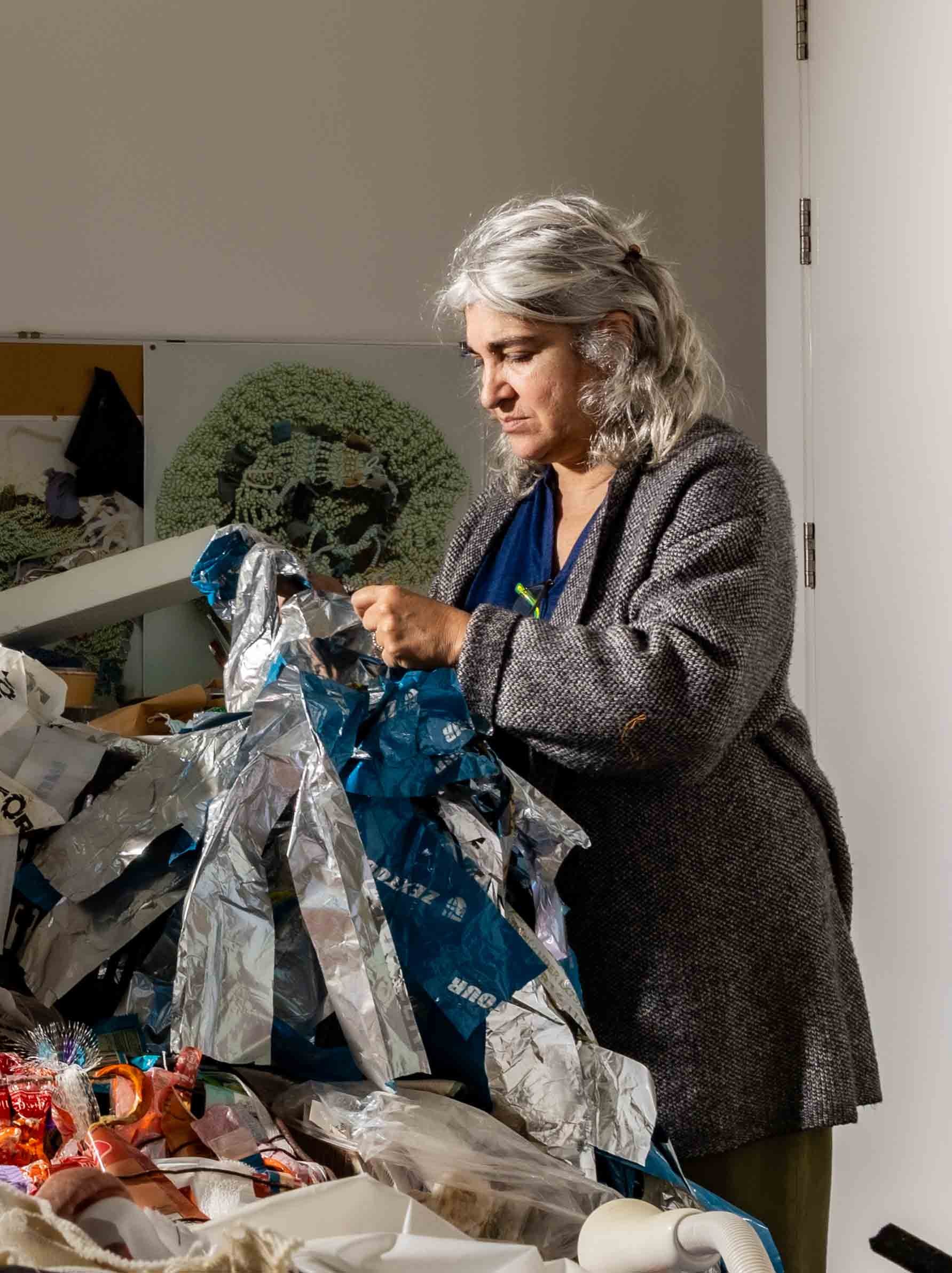
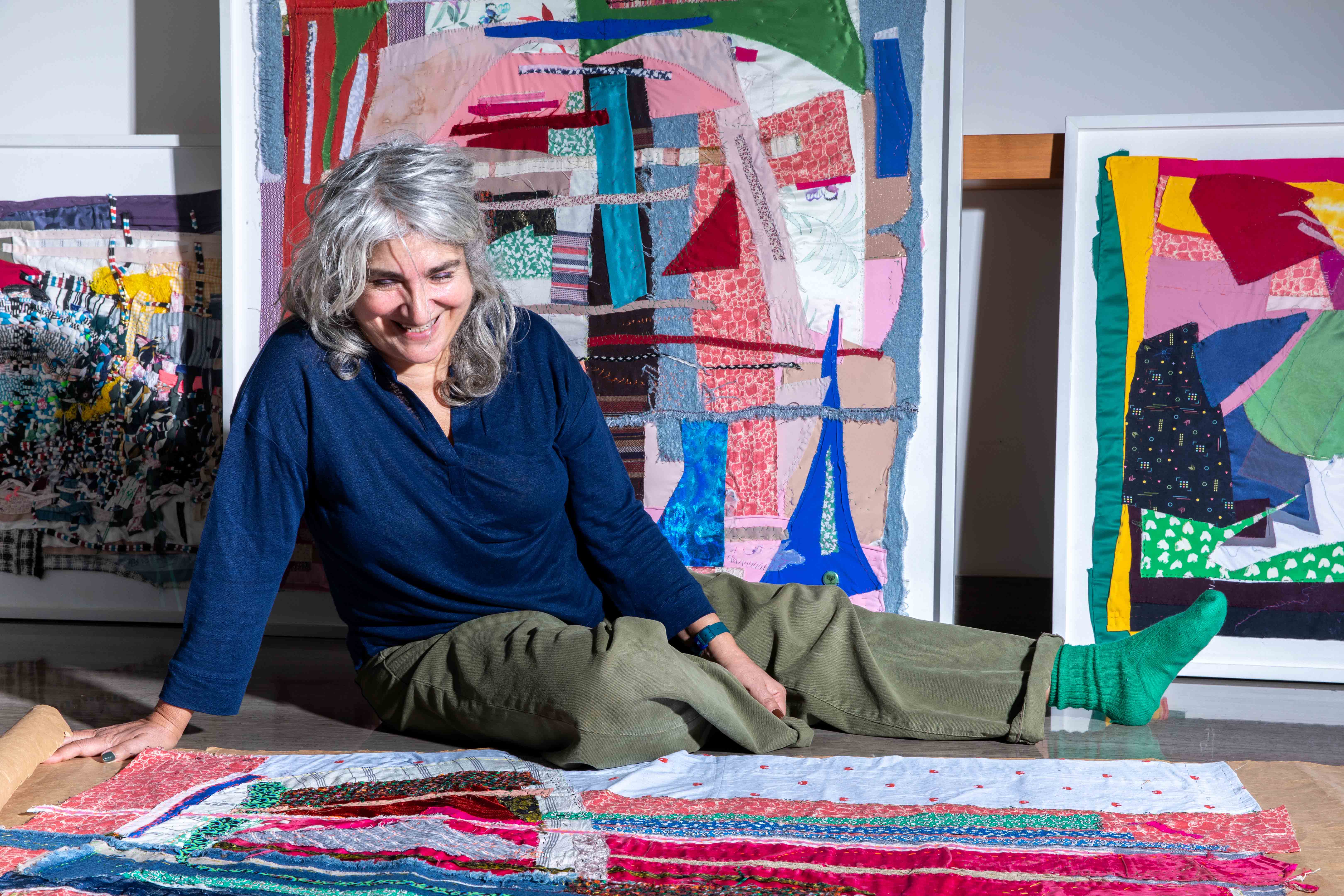
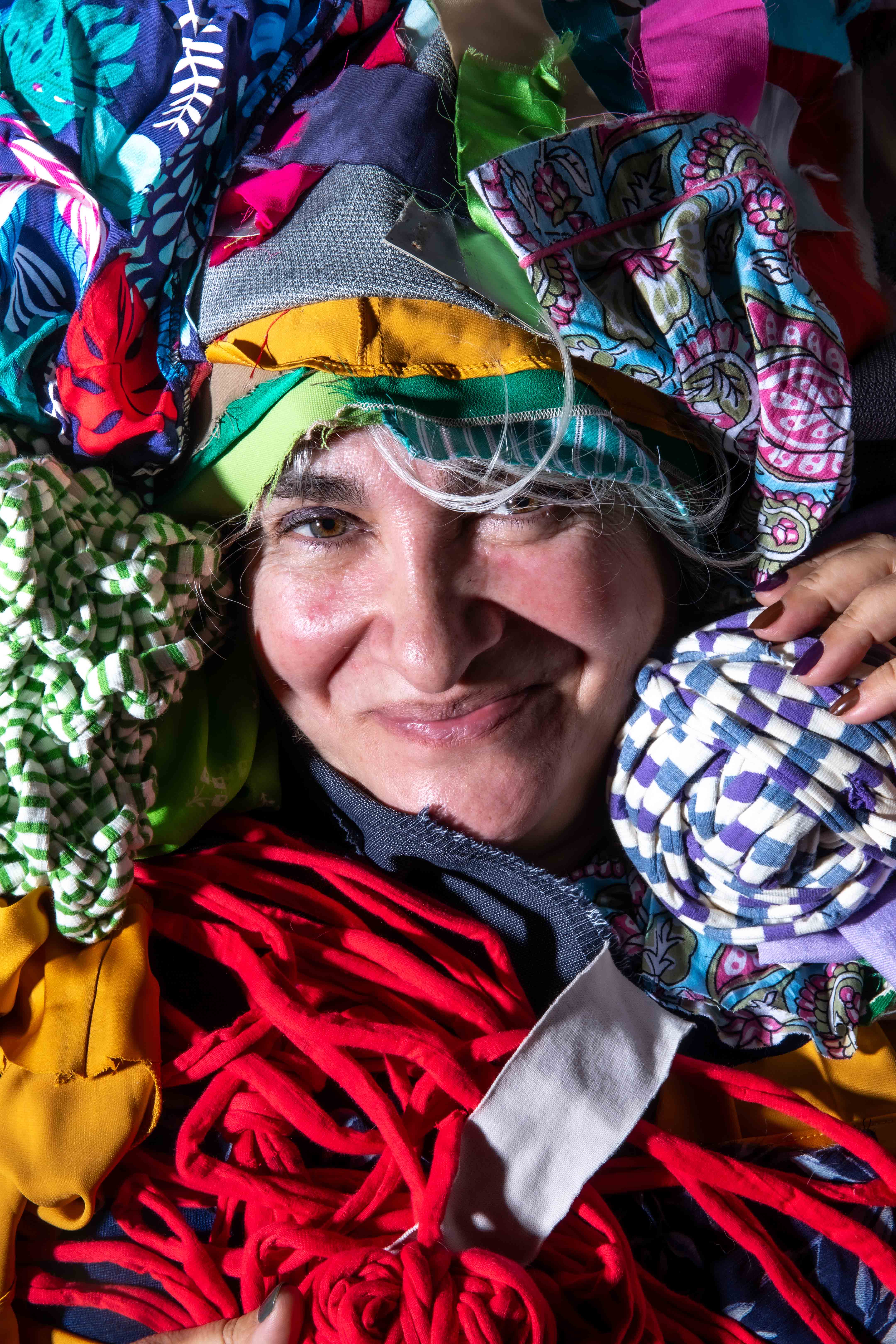
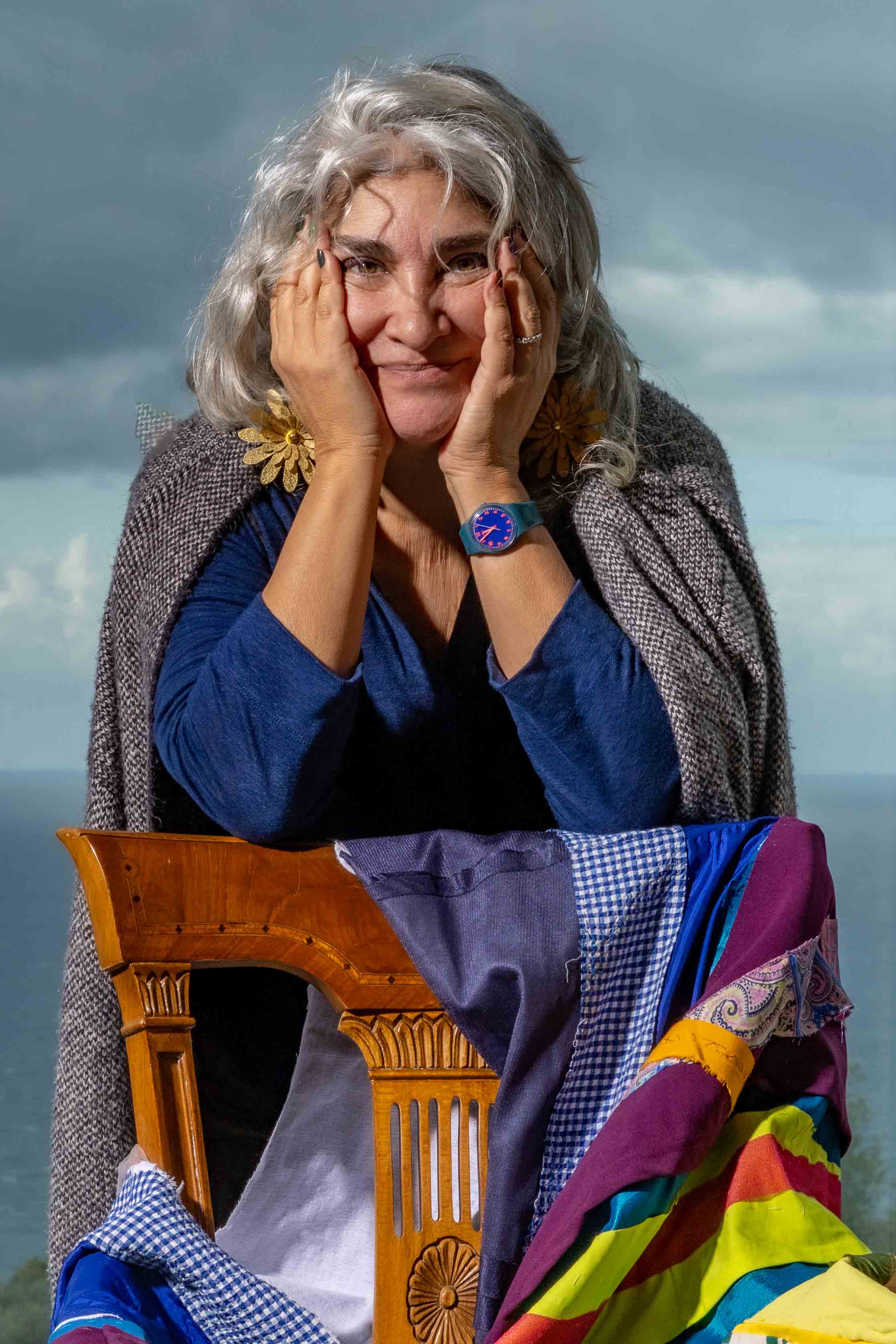
Dima Youssef Rbeiz is a Lebanese multidisciplinary artist who has spent much of her life noticing what others walk past.
She cannot pass a discarded thing without sensing it still has somewhere to go: a rubber sole on the road, a strip of fabric caught against a wall, a bottle cap in exactly the right shade of green. These things are not finished. They are waiting.
Dima grew up in Beirut and is originally from Bishmizzine in Koura, a village in northern Lebanon where nothing was ever truly thrown away. Objects were repaired, passed between hands, given to neighbours, and transformed into something else. Holding onto what others discarded was simply how people lived and remained connected.
That instinct never left her. She began collecting, and one day her hands understood what to do with what they had been carrying all along.
Dima studied Fine Arts and Interior Design at BUC (now LAU) and later worked in design and education. In 2013, she returned to LAU to study Fashion Design, deepening her exploration of transformation through discarded textiles and reclaimed materials.
Dima's
Artistic Practice
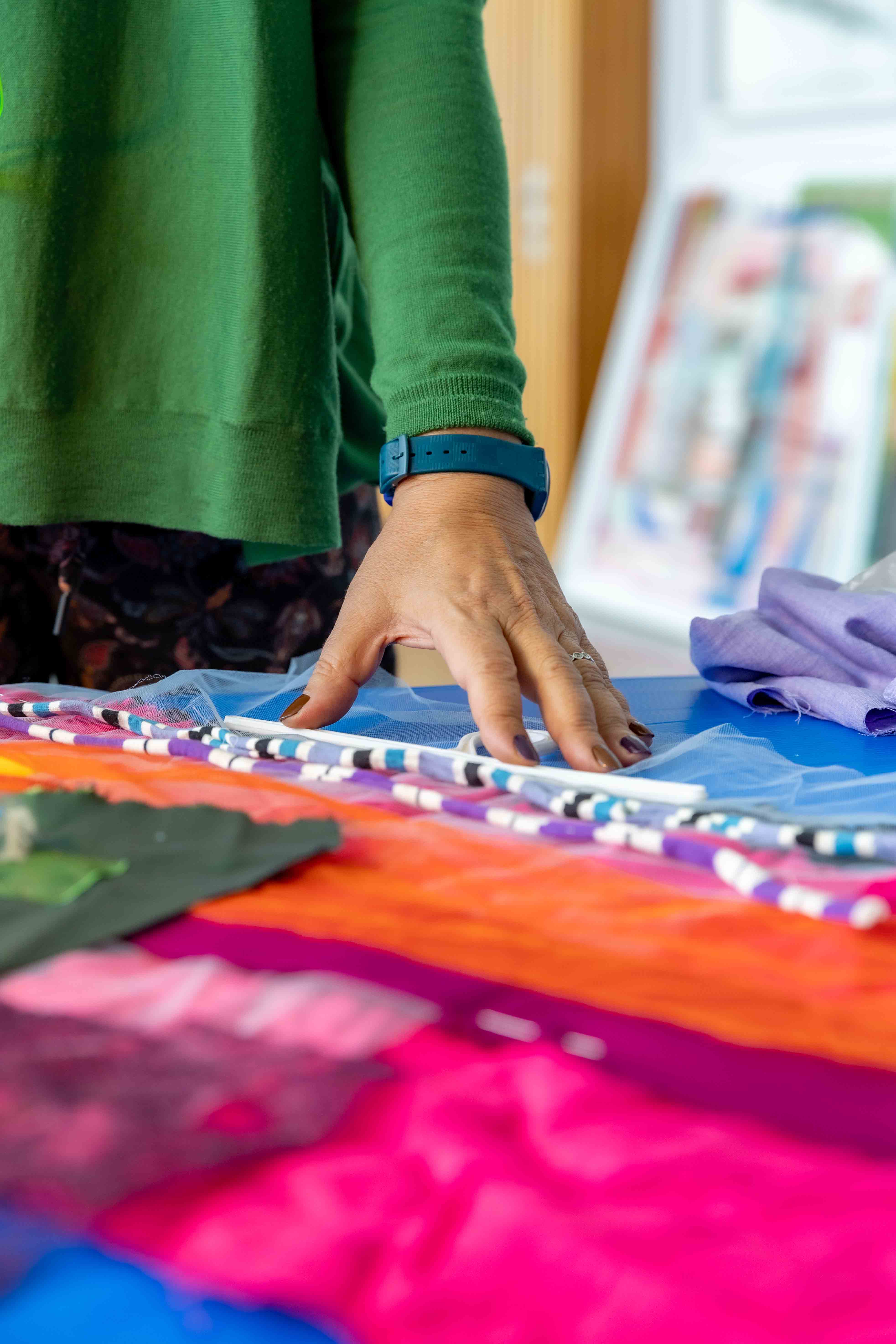
Her work brings together fine art, fashion, design, and material experimentation through a commitment to sustainability.
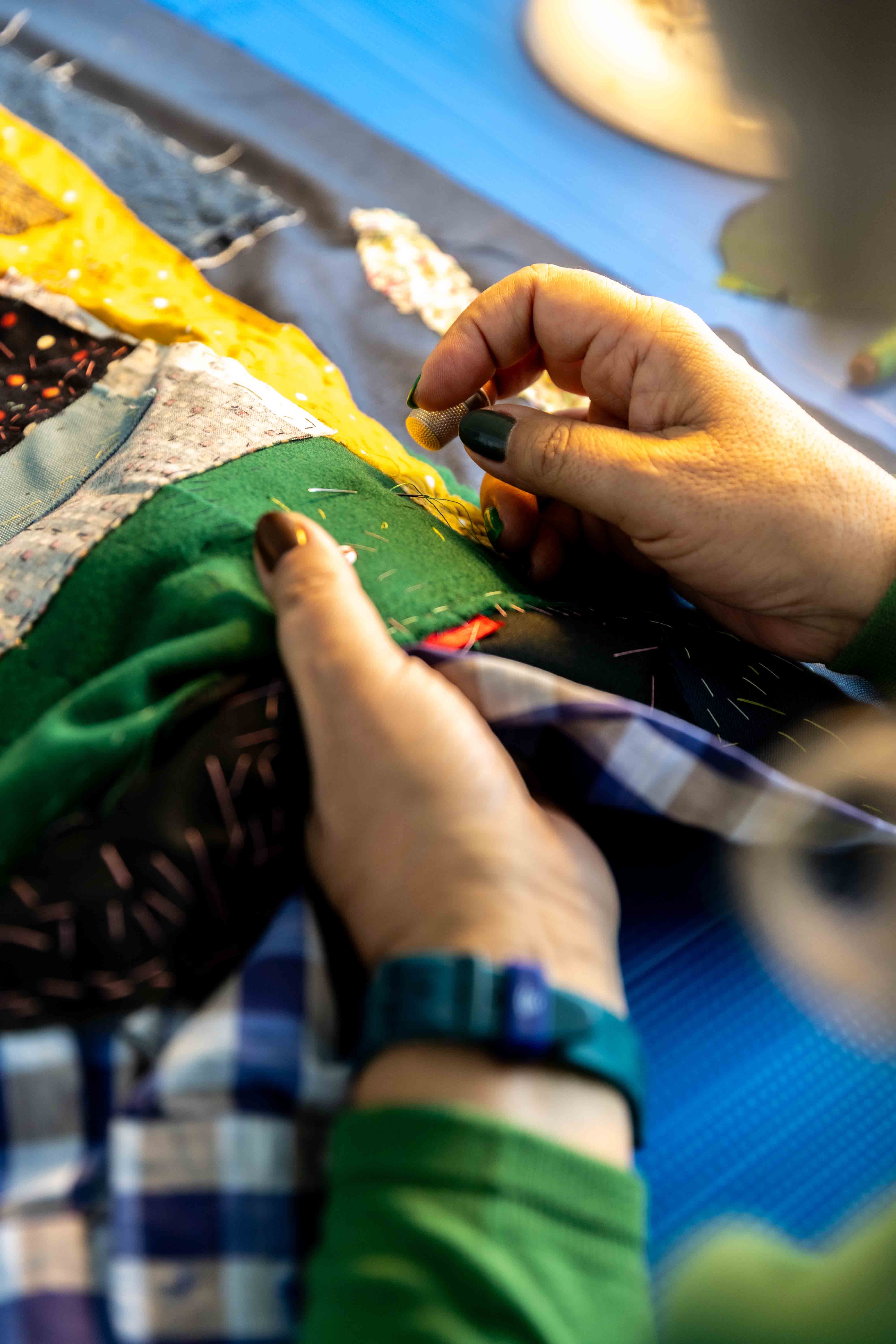
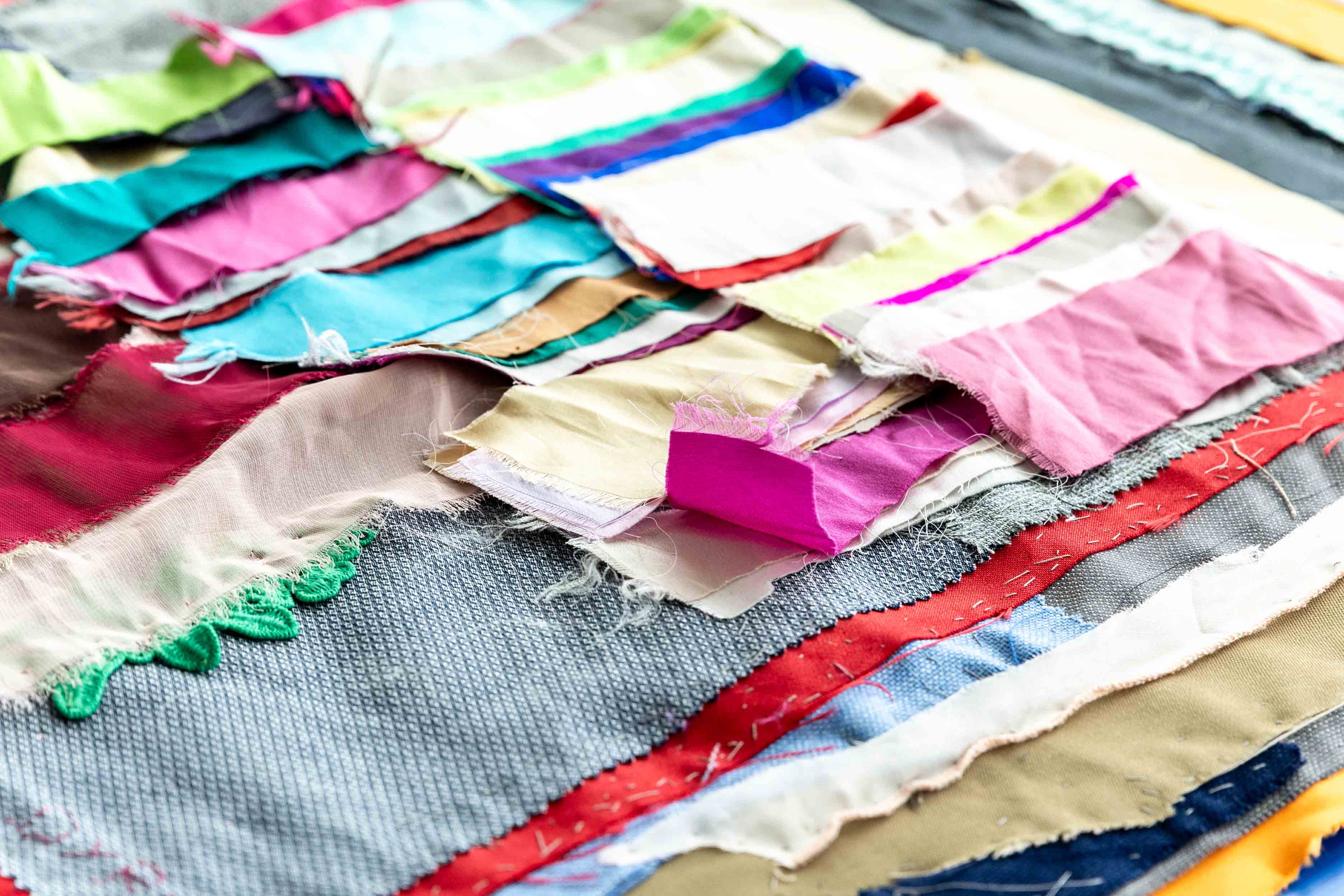
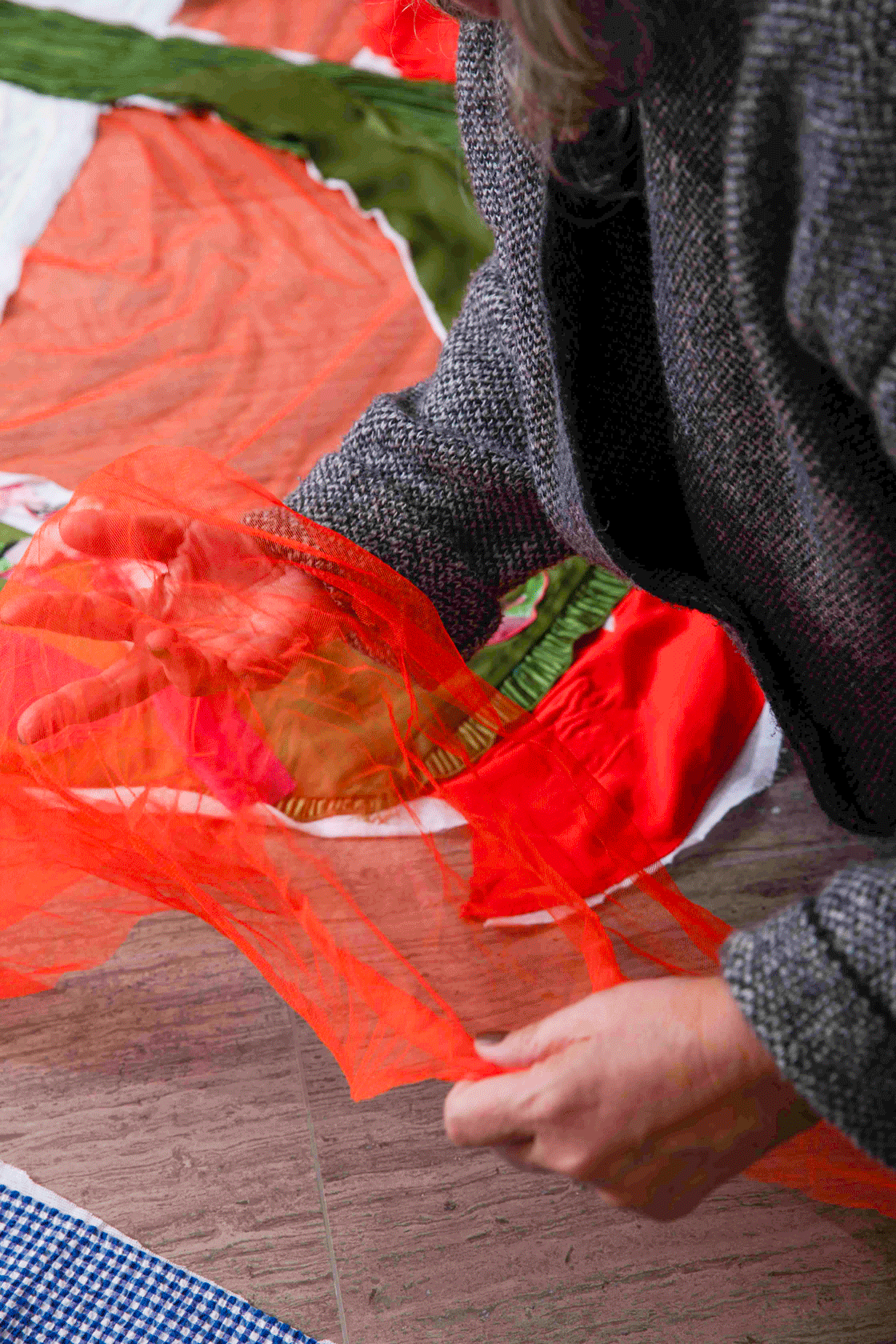
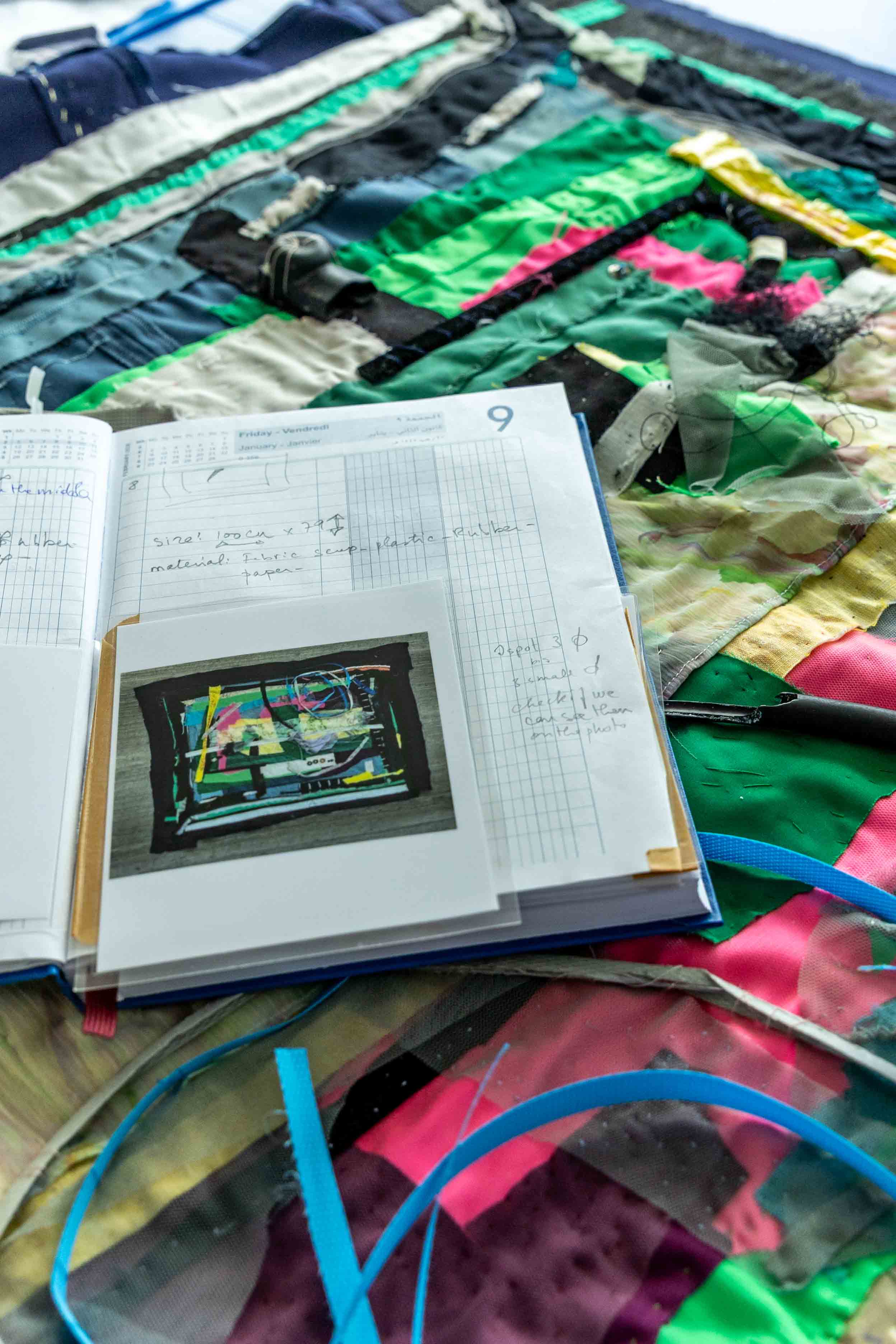
Working with acrylics, discarded fabrics, plastics, metals, rope, rubber, thread, packaging, and found objects, she creates large-scale works rich with colour, texture, memory, and a stubborn, generous life.
Her practice resists categorisation, moving freely between disciplines and allowing materials to reveal their histories and possibilities.
Each piece is an invitation to look again and recognise that what is overlooked may still become something new.